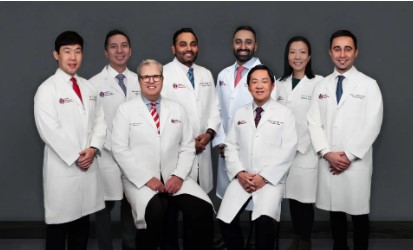
The vascular system plays a critical role in maintaining overall health by transporting blood throughout the body through arteries, veins, and smaller blood vessels. When problems develop within these vessels, they can affect circulation, mobility, and quality of life. Understanding when to seek specialized care is important because many vascular conditions can be managed more effectively when identified early. A vascular doctor specializes in diagnosing and treating conditions that affect the body’s blood vessels, including arteries and veins.
Vascular health involves more than treating visible vein concerns. Specialists evaluate a wide range of conditions, from circulation problems and blocked arteries to venous disorders such as varicose veins. With advancements in diagnostic technology and minimally invasive procedures, many vascular issues can now be treated with approaches designed to reduce recovery time and improve patient outcomes.
What Is a Vascular Doctor?
A vascular doctor is a medical specialist who focuses on diseases and disorders affecting blood vessels outside the heart and brain. These specialists diagnose conditions involving arteries, veins, and circulation pathways throughout the body.
The vascular system includes:
- Arteries that carry oxygen-rich blood away from the heart
- Veins that return blood back to the heart
- Smaller blood vessels that support tissue circulation
A vascular specialist may provide preventive care, diagnostic evaluations, medication management, lifestyle recommendations, or minimally invasive procedures depending on the condition.
Conditions Treated by a Vascular Doctor
Vascular specialists manage many different conditions that can impact blood circulation and vessel function.
Varicose Veins
Varicose veins occur when veins become enlarged and twisted due to problems with blood flow. They commonly appear in the legs and may cause symptoms such as:
- Leg heaviness
- Swelling
- Aching discomfort
- Visible enlarged veins
- Skin changes
A vascular specialist evaluates the underlying cause before recommending suitable treatment options. Depending on severity, treatment may include lifestyle changes, compression therapy, minimally invasive procedures, or other interventions.
Peripheral Artery Disease
Peripheral artery disease occurs when arteries become narrowed, reducing blood flow to areas such as the legs.
Possible symptoms include:
- Leg pain during walking
- Numbness
- Weakness
- Coldness in the lower limbs
- Slow-healing wounds
Early diagnosis can help reduce the risk of complications and improve circulation management.
Deep Vein Conditions
Problems involving veins can sometimes affect normal blood flow and increase health risks. A vascular specialist can evaluate symptoms, perform diagnostic testing, and recommend appropriate management strategies.
When Should You Visit a Vascular Doctor?
Many people delay vascular care because they assume symptoms are minor or temporary. However, certain signs may indicate the need for professional evaluation.
Consider consulting a specialist if you experience:
- Persistent leg swelling
- Unexplained leg pain
- Visible bulging veins
- Changes in skin color near veins
- Slow-healing wounds
- Numbness or tingling in limbs
- Reduced circulation symptoms
Early assessment allows doctors to identify potential concerns before they become more advanced.
How Vascular Conditions Are Diagnosed
Accurate diagnosis is an important part of effective vascular care. Specialists use different methods to understand blood flow and vessel health.
Common diagnostic tools include:
Ultrasound Imaging
Ultrasound allows doctors to evaluate blood movement through veins and arteries. It is commonly used to detect circulation problems and assess vein function.
Physical Examination
A detailed examination helps identify symptoms, risk factors, and visible signs of vascular conditions.
Additional Imaging Tests
Depending on the condition, specialists may recommend advanced imaging techniques to obtain a clearer view of blood vessels.
These evaluations help create personalized treatment plans based on the patient’s specific needs.
Modern Treatment Options for Vascular Conditions
Advances in vascular medicine have introduced less invasive approaches that can help many patients recover faster.
Treatment options may include:
- Lifestyle modifications
- Medication management
- Compression therapy
- Endovenous procedures
- Catheter-based treatments
- Surgical interventions when necessary
The recommended approach depends on factors such as the type of condition, severity, overall health, and treatment goals.
Importance of Preventive Vascular Care
Maintaining healthy circulation is an important part of overall wellness. Many vascular problems are influenced by lifestyle factors, making prevention an essential component of long-term health.
Helpful habits include:
- Regular physical activity
- Maintaining a healthy weight
- Avoiding tobacco products
- Managing blood pressure
- Controlling cholesterol levels
- Following a balanced diet
Routine medical evaluations can also help identify risk factors early.
Choosing the Right Vascular Specialist
Selecting an experienced specialist is an important step when dealing with circulation-related concerns. Patients should consider factors such as medical expertise, diagnostic approach, treatment options, and experience with specific vascular conditions.
A knowledgeable specialist can explain available options clearly and help patients understand the benefits and considerations of each treatment approach. For individuals seeking specialized vascular care, consulting an experienced professional such as Dr Eddy Luh can provide guidance based on individual health needs.
The Future of Vascular Medicine
Vascular care continues to advance through improvements in imaging technology, minimally invasive procedures, and personalized treatment strategies. These developments allow specialists to diagnose conditions more accurately and provide targeted care with improved patient comfort.
As research and technology continue to progress, vascular treatments are expected to become even more precise, efficient, and patient-focused.
Conclusion
Healthy blood circulation is essential for maintaining mobility, organ function, and overall wellness. A vascular doctor plays an important role in diagnosing and treating conditions that affect arteries and veins, helping patients address circulation concerns through appropriate care strategies. Consulting experienced specialists such as Dr Eddy Luh can help patients receive informed guidance and appropriate care for their vascular health needs. Recognizing symptoms early, seeking professional evaluation, and following preventive health practices can contribute to better vascular health outcomes.




Most Commented Posts