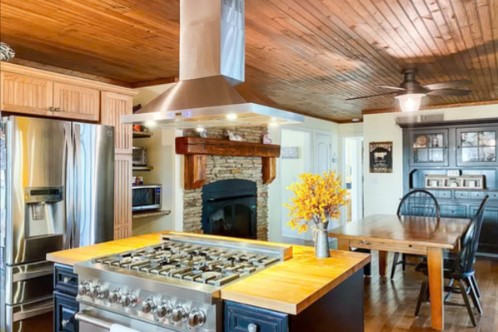
An island cooktop changes the way a kitchen has to be ventilated. With no wall behind the range, smoke, grease, and steam rise freely and drift across the room, so the hood overhead carries more responsibility than it would against a wall. Selecting an island vent hood involves more than picking a finish, because size, airflow, ducting, and structural support all affect results. Homeowners who plan these elements before purchase avoid costly changes during installation. The sections below cover placement, sizing, airflow, ducting, support, and design choices.
Why Islands Need Different Ventilation
Wall-mounted hoods benefit from the wall behind them, which guides rising air toward the filters. Island hoods work in open space, so cross drafts from doors, windows, and HVAC vents can pull vapor away from the capture area. Open layouts also let cooking odors travel into living areas, which makes strong capture even more valuable. Reviewing nearby airflow sources before choosing a location, and keeping the cooktop away from strong drafts where possible, helps the hood capture cooking byproducts more reliably.
Sizing the Hood Over the Cooktop
Because there are no walls to contain vapor, an island vent hood should be at least as wide as the cooktop and often benefits from extending a few inches beyond each side. A 36-inch range typically pairs with a 42-inch hood, and larger ranges call for 48 inches or more. Choosing slightly larger rather than smaller usually improves capture. Depth matters as well, since capture area helps trap rising plumes. Measuring the cooktop, then checking manufacturer sizing guidance, avoids undersized choices that leave vapor uncaptured.
Airflow Ratings and Power Requirements
Hood performance is measured in cubic feet per minute, or CFM. Island installations generally need higher airflow than wall units because vapor can spread in all directions. A common rule is about 100 CFM per 10,000 BTU of gas burner output, so high-output ranges may require 600 to 1,200 CFM. Variable speed controls allow quieter operation during light cooking. Very powerful systems may trigger makeup air requirements, so local building codes should be checked before finalizing the purchase.
Ducting Routes Through the Ceiling
Ducting is often the most complex part of an island vent hood project. Air must travel upward through the ceiling, attic, or roof to reach the outdoors. Straight, short duct runs keep airflow strong, while each elbow reduces performance. Typical ducts range from six to ten inches in diameter, depending on the hood’s CFM. Rigid metal ducting is preferred over flexible foil, and all joints should be sealed. Planning the route early avoids conflicts with joists, wiring, and plumbing.
Structural Support and Mounting Height
Island hoods hang from above, so the ceiling must carry the weight of the unit and ductwork. Many installations require added blocking or a reinforced support beam anchored to joists, and heavier stainless steel models demand more attention. Mounting height is usually 30 to 36 inches above the cooktop, though manufacturers specify exact ranges and gas cooktops often need more clearance. Following the installation manual and consulting a qualified contractor ensures a safe, level, code-compliant result.
Style, Lighting, and Filter Choices
Because an island hood is visible from every side, finish and shape become part of the room’s design. Stainless steel, black, and white options suit different cabinetry, and chimney or canopy forms offer different looks. LED lights improve visibility over the cooktop. Baffle filters are durable and easy to clean, and many are dishwasher-safe, while charcoal filters are used for ductless setups. Noise ratings in sones help compare how loud a unit will be at high speed.
Conclusion
A well-planned installation starts with the right size, enough airflow, a clean duct route, and a strong overhead structure. Buyers weighing an island vent hood should confirm these details before comparing finishes or prices. Support is often the step people overlook, and anyone looking into How To Install a Ceiling Support Beam for an Island Range Hood will find a helpful walkthrough on that topic. Careful measuring and professional guidance where needed lead to a quiet, efficient, and long-lasting setup.


Most Commented Posts