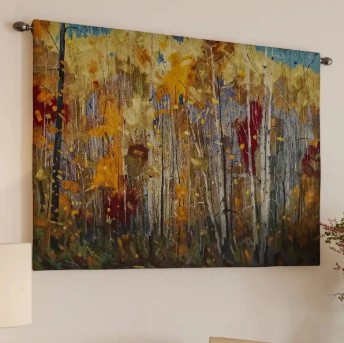
Bare walls can make even a well-furnished room feel unfinished. Textiles offer a way to add warmth, texture, and character that paint or framed prints often cannot match. Wall tapestries range from classic scenes inspired by famous painters to modern patterns and nature-themed designs. Among the options, woven wall art in the form of a tapestry stands out because it combines craftsmanship with visual impact, turning a plain wall into a focal point. This guide covers the main styles, how to choose the right size, shape, and color, practical hanging methods, and how to care for your tapestry so it stays beautiful for years.
Tapestry Style Categories to Explore
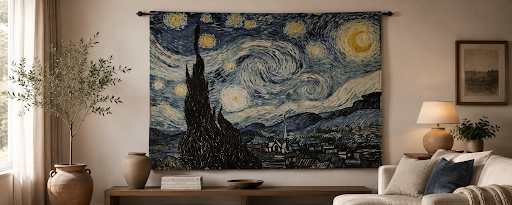
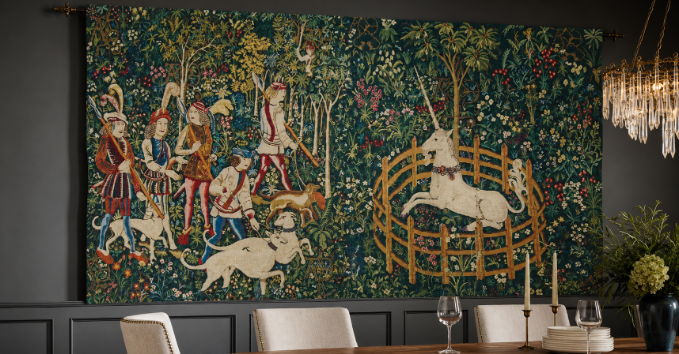
Tapestries fall into several broad categories. Art-inspired designs draw on abstract and modern art and famous works by artists such as Gustav Klimt, Van Gogh, and William Morris. Nature and landscape designs feature motifs like the Tree of Life and coastal scenes, creating a peaceful atmosphere. Architectural designs show cityscapes, homes, estates, and castles. Historical and cultural designs reference the Medieval period, the Old World, Asian cultures, and the Renaissance.
Materials and Origins
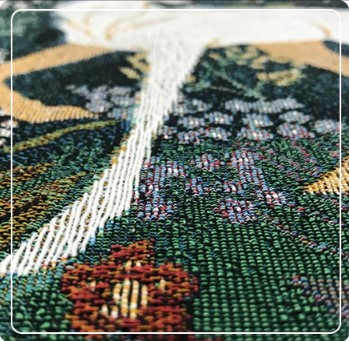
Most tapestries are made from cotton, polyester, or finely woven wool. Cotton and wool give a softer, plush texture, while polyester adds long-lasting strength and resistance to wear. Origin also shapes the look. Belgian tapestries are known for detailed designs and high-quality materials, French tapestries often show rural and historical scenes, and American-made tapestries mix modern styles with traditional methods.
Choosing Size, Shape, and Color
Size is the first decision. Widths range from about 10 to 29 inches to expansive ones over 100 inches, and heights run from 10 to 200 inches. A good rule is to aim for one that covers about two-thirds of the wall height. Too small looks lost; too large can overwhelm the room. Shape matters as well. Horizontal tapestries make a room feel wider, vertical ones add height and elegance, and square ones suit gallery walls. For color, match the palette of your room. Warm tones such as orange and red feel cozy, while blues and greens feel calm. When shopping for woven wall art such as a tapestry, hold a fabric swatch or paint chip against the wall to test the harmony first.
Placement and Hanging Methods
Placement sets the tone. Above a sofa or bed, a tapestry becomes the focal point of the room. Centering it on a wall creates a symmetrical, balanced look, and several small tapestries can form a gallery arrangement. For hanging, a traditional rod and bracket lets the tapestry hang freely with a graceful drape. Tapestry nails or push pins give a casual, bohemian look, especially for small tapestries, and Velcro strips or magnetic hangers allow easy removal and swapping. Proper lighting, such as a spotlight above or a wall sconce, brings out the weave and the detail. Layering with pillows, throws, and rugs in complementary patterns adds depth.
Care and Storage
Caring for woven wall art is simple. Most tapestries can be spot-cleaned gently with a damp cloth, though dry cleaning is often recommended to preserve colors and fine detail. Hang them in a dry, shaded spot away from direct sunlight to limit fading. For seasonal rotation or storage, vacuum lightly with a soft brush attachment, roll it around a sturdy cardboard tube with the design facing outward, and wrap it in a breathable cotton sheet. Avoid plastic, which can trap moisture, and store the roll upright in a cool, dry place.
Final Thoughts
The right tapestry balances style, size, color, and care. Shoppers who want a large selection of tapestries woven in Belgium, France, Italy, and the USA, along with custom designs, can explore Quality Tapestries. Take measurements, choose a hanging method that suits your wall, and enjoy the warmth that textile art brings to a room.


Most Commented Posts