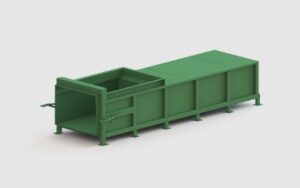
Effective waste management has become an essential part of modern industrial, commercial, and municipal operations. As waste volumes continue to increase, organisations require reliable solutions that improve handling, transportation, and processing efficiency. Compactors play an important role in modern waste management by reducing waste volume, improving storage capacity, and supporting more efficient transportation systems. These machines help facilities manage large amounts of waste while creating a more organised and productive workflow.
Waste management facilities, transfer stations, and recycling operations often deal with large quantities of materials that need to be processed efficiently. By compressing waste materials into denser loads, compacting equipment allows operators to maximise available space and reduce the frequency of transportation requirements.
What Are Compactors?
Compactors are industrial machines designed to compress waste materials by applying pressure to reduce their overall volume. The compaction process makes waste easier to handle, transport, and process while improving operational efficiency.
These machines are commonly used in:
- Waste transfer stations
- Recycling facilities
- Industrial sites
- Commercial waste operations
- Municipal waste management centres
Modern compacting systems are designed to handle different waste streams, including general waste, recyclable materials, cardboard, paper, plastics, and other processed materials.
How Compactors Support Waste Management Operations
Waste management involves multiple stages, including collection, sorting, processing, and transportation. Compacting equipment supports these operations by reducing the physical space occupied by waste materials.
Some key advantages include:
Improved Waste Volume Reduction
One of the primary purposes of compacting equipment is reducing waste volume. Loose waste can occupy significant space, making storage and transportation less efficient. Compression allows facilities to handle larger quantities of material within existing capacity limits.
Lower Transportation Requirements
When waste is compacted, more material can be transported in each load. This can help reduce the number of trips required for moving waste from one location to another, improving operational efficiency.
Better Facility Organisation
Large amounts of loose waste can create challenges for facility management. Compacting systems help create more controlled and organised waste handling processes.
Enhanced Resource Recovery
In recycling environments, compacted materials can be easier to manage and transport. Consistent loads support smoother downstream processing and recovery operations.
Types of Compactors Used in Waste Management
Different operations require different types of compacting equipment depending on waste volume, material type, and facility requirements.
Stationary Compactors
Stationary compactors are commonly used in transfer stations and industrial waste facilities. These machines remain fixed in position while waste is loaded into the compaction chamber.
They are suitable for:
- High-volume waste processing
- Recycling facilities
- Commercial waste applications
- Transfer station operations
Mobile Compactors
Mobile compacting systems provide flexibility for operations that require equipment movement between locations. They are often used where waste collection points change frequently or where space limitations exist.
Benefits include:
- Easy relocation
- Flexible waste handling
- Convenient transportation options
Recycling Compactors
Recycling facilities often use compacting equipment to process materials such as cardboard, paper, and plastics. These systems help create denser loads that are easier to store and transport.
Important Features to Consider When Choosing Compaction Equipment
Selecting suitable equipment requires careful consideration of operational needs and waste characteristics.
Processing Capacity
Facilities should evaluate the amount of waste processed daily or weekly. Higher-volume operations require equipment designed for greater throughput.
Material Compatibility
Different waste materials require different approaches. Equipment should be suitable for the specific materials being handled.
Durability and Construction
Waste processing environments can be demanding. Strong construction materials and reliable components help equipment perform consistently over time.
Integration With Existing Systems
Modern waste facilities often use multiple technologies, including conveyors, sorting systems, and transfer equipment. Compactors should integrate effectively with existing operations.
The Role of Waste Compactors in Sustainable Waste Management
Sustainability is becoming increasingly important across industries. Efficient waste handling systems can support environmental goals by improving resource recovery and reducing unnecessary transportation.
Waste Compactors contribute to sustainable practices by:
- Reducing waste volume
- Improving transport efficiency
- Supporting recycling processes
- Helping facilities manage materials more effectively
By making waste handling more efficient, compacting technology supports broader efforts to reduce environmental impact.
Compactors in Transfer Stations
Transfer stations serve as important points between waste collection and final processing or disposal locations. These facilities require reliable equipment to manage incoming waste volumes efficiently.
In transfer station environments, compacting systems help:
- Increase payload capacity
- Improve loading efficiency
- Reduce material handling challenges
- Support continuous operations
Maintenance Considerations for Compaction Equipment
Regular maintenance helps ensure reliable performance and extends equipment lifespan.
Important maintenance practices include:
- Routine inspections
- Checking hydraulic components
- Monitoring wear points
- Cleaning working areas
- Addressing minor issues early
A planned maintenance approach reduces unexpected downtime and supports consistent operation.
Future Trends in Waste Compaction Technology
Waste management continues to evolve as industries seek more efficient and sustainable solutions. Future developments are expected to focus on automation, improved energy efficiency, and smarter monitoring systems.
Advanced waste management facilities increasingly combine multiple technologies to improve sorting, processing, and recovery rates. Equipment that integrates effectively with these systems will continue to play an important role in modern waste infrastructure.
Choosing the Right Compaction Solution
Every waste facility has different requirements based on material types, processing volumes, and operational goals. Selecting the right equipment involves evaluating current needs while considering future growth.
Factors to consider include:
- Waste volume
- Available space
- Material types
- Processing goals
- Maintenance requirements
A carefully selected system can improve productivity while supporting long-term operational efficiency.
Conclusion
Efficient waste management requires equipment that can handle increasing material volumes while improving productivity and sustainability. Compactors provide an effective solution by reducing waste volume, improving transportation efficiency, and supporting organised processing systems. With advanced equipment and industry expertise from providers like OGTEC, modern waste facilities can continue improving efficiency while adapting to future waste management challenges. Choosing the right Waste Compactors solution can help facilities create smoother operations and better resource management practices.





Most Commented Posts