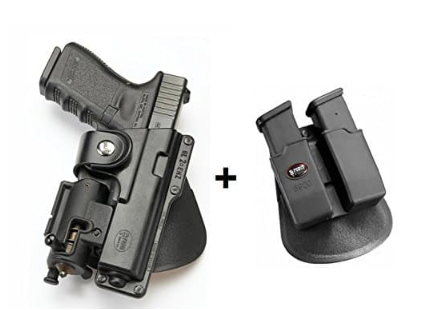
Carrying extra ammunition efficiently is just as important as carrying a firearm. The right magazine pouch provides quick access during high-pressure moments, whether in competition or duty environments. However, the design features that work best for competitive shooting are often very different from those needed by military, security, or law enforcement professionals. Understanding these differences helps shooters choose pouches that match their intended use and performance needs.
Magazine Pouches In Competition Shooting
Competitive shooting demands speed above all else. Participants need a magazine pouch that allows for rapid draws and seamless reloads without adding unnecessary bulk.
Key Features In Competition Pouches:
- Open-top designs: Offer fast access with minimal resistance.
- Adjustable retention screws: Let shooters fine-tune the level of hold.
- Lightweight materials: Typically Kydex or polymer for reduced weight.
- Angled belt mounts: Position magazines at ergonomic angles for faster reloads.
Competitive shooters often practice the same movements thousands of times, so their gear must complement speed, muscle memory, and efficiency.
Balancing Retention And Accessibility
For competition, too much retention slows performance. A well-designed magazine pouch strikes a balance: it holds the magazine securely enough to avoid accidental loss but releases smoothly when drawn. Most competitive designs allow the user to adjust this balance with tension screws or inserts, offering a personalized fit.
By minimizing resistance, competitors can focus on precision and timing rather than struggling with gear.
Magazine Pouches For Duty Use
Duty environments, such as law enforcement, military, or security work, prioritize retention and durability over speed. In these contexts, losing a magazine can have serious consequences. A duty-ready magazine pouch must withstand physical activity, weather exposure, and potential altercations without compromising access when needed.
Key Features In Duty Pouches:
- Flap or cover retention: Provides secure hold during movement.
- Heavy-duty materials: Often reinforced nylon or polymer blends for longevity.
- Vertical orientation: Keeps magazines stable during running or physical contact.
- MOLLE compatibility: Allows for integration with tactical vests and gear systems.
For officers or soldiers, security and reliability take precedence, even if it means sacrificing a fraction of draw speed.
Durability Demands
Duty-use pouches are often exposed to rain, heat, dirt, or abrasion. As such, manufacturers design magazine pouches with reinforced stitching, corrosion-resistant hardware, and weatherproof coatings. These additions ensure the equipment can endure harsh conditions while remaining fully functional.
In comparison, competition pouches, though durable, don’t always require the same level of ruggedness because they operate in controlled environments.
Training And Adaptability
Both competition and duty users benefit from training with their specific gear. For competitive shooters, repetition with a minimal-resistance magazine pouch builds speed. For duty professionals, drills emphasize accessing magazines while maintaining control under stress or during physical confrontations.
Adaptability is another factor. Many modern designs now feature modular mounting systems, allowing users to switch pouches between range setups and duty rigs, customizing for each environment.
Choosing The Right Option
The choice between competition and duty magazine pouches depends on context. Shooters should ask themselves:
- Am I prioritizing speed or retention?
- Will the pouch be exposed to rugged outdoor conditions?
- Do I need modular features like MOLLE or angled mounts?
Answering these questions ensures the right balance between speed, safety, and durability.
Conclusion
Selecting the right pouch means understanding whether speed or security is your priority. Competition models emphasize rapid reloads, while duty designs focus on durability and weapon retention in demanding conditions. For those building a complete gear setup, pairing the right pouch with a quality retention holster ensures both ammunition and firearm remain accessible and secure in any environment.







Most Commented Posts