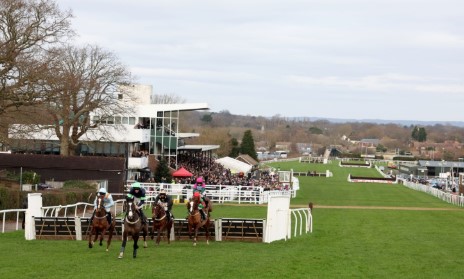
Horse racing is one of the oldest organized sports in the world, combining athletic ability, strategic planning, and the unique connection between horses, trainers, jockeys, and racing professionals. For centuries, people have gathered to watch powerful thoroughbred horses compete on tracks, making racing a sport that blends tradition with modern competition. A horse race is not simply about speed; it involves careful preparation, breeding, training methods, track conditions, and the teamwork required to achieve peak performance.
Today, horse racing continues to attract audiences worldwide through professional events, race meetings, and digital platforms that provide information about race schedules, results, and performances. Racing enthusiasts often follow horses, jockeys, and trainers to better understand the factors that influence competition outcomes. Platforms covering race information provide details such as racecards, results, and performance records to help followers stay informed about the sport.
The Origins and Evolution of Horse Racing
Horse racing has a long history that dates back thousands of years. Ancient civilizations, including those in Greece, Rome, and Central Asia, organized competitions involving horses as displays of speed, endurance, and skill.
Over time, racing developed into a structured sport with official rules, dedicated racecourses, professional trainers, and specialized breeding programs. Modern horse racing includes different formats, including flat racing, jump racing, and endurance events.
The growth of organized racing has created a global community of owners, breeders, jockeys, and fans who contribute to maintaining the traditions and competitive nature of the sport.
How a Horse Race Works
A professional horse race involves multiple participants competing over a defined distance on a prepared track. Each race is carefully organized with classifications based on factors such as horse experience, age, previous performance, and race conditions.
Before a race begins, several stages take place:
Registration and Entries
Owners and trainers select suitable horses for upcoming races based on eligibility requirements and competition levels.
Training and Preparation
Racehorses undergo regular training programs designed to improve stamina, speed, and racing technique. Trainers monitor fitness levels and adjust routines based on each horse’s abilities.
Race Day Procedures
On race day, horses are examined, assigned positions, and prepared for competition. Jockeys use strategy throughout the race, considering speed, positioning, and track conditions.
The Role of Horses, Trainers, and Jockeys
A successful race outcome depends on the combined efforts of several individuals.
Racehorses
Thoroughbred horses are known for their speed, athletic ability, and competitive nature. Their performance depends on genetics, training, nutrition, and overall health.
Trainers
Trainers are responsible for developing race strategies, managing fitness programs, and preparing horses for competition. Their knowledge of horse behavior and performance plays an important role in racing success.
Jockeys
Jockeys guide horses during races and make quick decisions based on pace, positioning, and competition. Their skill and experience can influence how effectively a horse performs.
Factors That Influence Race Performance
Many elements contribute to the outcome of a horse race.
Track Conditions
The condition of the racing surface can affect speed and performance. Some horses perform better on specific track types or weather conditions.
Horse Form
Previous performances provide insights into a horse’s consistency, endurance, and racing ability. Analysts often review historical results when evaluating competitors.
Training Programs
A carefully planned training schedule helps horses develop the strength and stamina required for competition.
Jockey Strategy
Race tactics, including timing, positioning, and pacing, can make a significant difference during a close competition.
The Importance of Race Information and Analysis
Following horse racing involves more than watching the final results. Many enthusiasts study race records, past performances, trainer statistics, and track conditions to understand the sport better.
Digital racing platforms have made it easier for fans to access race information, including upcoming events, racecards, and historical results. These resources allow followers to analyze competitions and learn more about different racing factors.
Horse Racing in India
India has a long-standing connection with organized horse racing, with several race clubs and events held across the country. The sport has developed a dedicated following among enthusiasts interested in breeding, competition, and equestrian traditions.
The Delhi horse race scene has historically been part of India’s racing culture, with events attracting participants, trainers, and spectators interested in competitive racing. Race clubs provide structured environments where horses compete under established rules and regulations.
Technology and the Future of Horse Racing
Technology continues to influence how people experience and analyze horse racing. Digital platforms now provide faster access to race information, performance statistics, and competition updates.
Advancements in areas such as data analysis, veterinary care, training equipment, and track management are helping improve the overall understanding of equine performance.
These developments allow racing professionals to make more informed decisions while helping fans engage with the sport in new ways.
Conclusion
A horse race represents much more than a contest of speed. It reflects years of training, careful preparation, teamwork, and dedication from everyone involved in the sport. Understanding factors such as horse performance, track conditions, and racing strategies helps enthusiasts appreciate the complexity behind every event. As interest in racing continues to grow, events such as the Delhi horse race remain an important part of the broader equestrian tradition, connecting modern audiences with the history and excitement of competitive horse racing. From professional racing circuits to local events, the appeal of horse racing continues because it combines speed, strategy, and the unpredictability of live competition.






Most Commented Posts