With the growing awareness of environmental sustainability and industrial responsibility, businesses are increasingly looking for efficient ways to handle end-of-life products. One of the most pressing concerns in the automotive and manufacturing sectors is the disposal of used tyres. Tyre recycling has emerged as an essential solution, transforming what was once waste into valuable resources while reducing environmental impact. Modern tyre recycling solutions not only promote sustainability but also provide opportunities for cost savings and regulatory compliance, making them an attractive option for businesses of all sizes.
How Tyre Recycling Works
Collection and Sorting
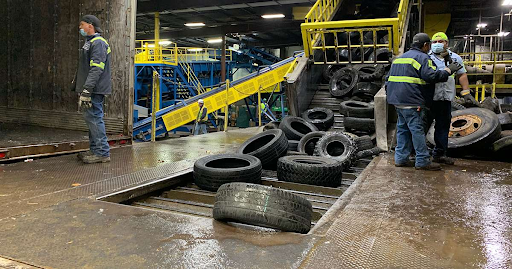
The first step in tyre recycling involves the collection and sorting of end-of-life tyres. Tyres are typically categorised based on size, material composition, and condition. Proper sorting ensures that the recycling process is efficient and that recovered materials meet quality standards for reuse.
Shredding and Grinding
Once sorted, tyres are mechanically shredded into smaller pieces. Advanced equipment then grinds the shredded material into fine granules or powder, separating rubber from steel and fibre components. This stage is critical to producing high-quality recycled material suitable for industrial and commercial use.
Material Recovery and Repurposing
Recycled tyre components can be used in various industries. Rubber granules are commonly employed in playground surfaces, sports tracks, asphalt, and moulded products. Steel can be melted down for reuse in manufacturing, while fibre material finds applications in composite materials. By extracting value from each component, tyre recycling maximises resource efficiency.
Benefits of Modern Tyre Recycling Solutions
Environmental Sustainability
Tyre recycling significantly reduces landfill waste and prevents the environmental hazards associated with decomposing tyres, such as fires and toxic runoff. By converting waste into reusable materials, businesses contribute to a circular economy and minimise their carbon footprint.
Cost-Effective Resource Management
Recycling tyres can also offer financial advantages. Recovered rubber and steel can be sold or reused in production, reducing the need for virgin materials. Businesses that integrate tyre recycling into their operations may also benefit from government incentives or tax advantages tied to sustainable practices.
Compliance with Regulations
Many regions have strict regulations regarding tyre disposal. Partnering with professional tyre recycling services ensures that businesses comply with environmental laws and avoid potential fines. Modern recycling solutions also provide documentation and traceability, demonstrating responsible waste management practices.
Industrial Applications of Recycled Tyres
Construction and Infrastructure
Recycled rubber from tyres is widely used in asphalt modification, providing durable and flexible road surfaces. Rubber mulch and other materials are employed in landscaping and erosion control projects, contributing to sustainable infrastructure.
Manufacturing and Consumer Products
Recycled tyre rubber is used to produce mats, flooring, molded goods, and various consumer products. Steel and fibre components are also repurposed in manufacturing, reducing the reliance on raw materials and promoting sustainable production.
Energy Recovery
Some tyre recycling technologies convert waste tyres into fuel alternatives, known as tyre-derived fuel (TDF). This option provides an energy-efficient way to utilise end-of-life tyres while reducing the environmental impact of fossil fuel consumption.
Choosing the Right Tyre Recycling Solution
Businesses seeking to adopt tyre recycling should consider the following factors:
- Capacity and Scalability: Ensure the equipment can handle the volume of tyres generated.
- Efficiency and Quality: Choose technologies that separate materials effectively and produce high-quality recycled outputs.
- Sustainability and Compliance: Verify that the solution aligns with environmental regulations and corporate sustainability goals.
Investing in advanced tyre recycling equipment ensures long-term operational efficiency, cost savings, and environmental stewardship.
Conclusion
Modern tyre recycling solutions offer businesses an effective way to reduce waste, recover valuable materials, and maintain compliance with environmental regulations. By implementing advanced processes, companies can transform end-of-life tyres into rubber, steel, and fibre components suitable for various industrial and consumer applications. Integrating waste management equipment into these operations enhances efficiency, reduces environmental impact, and supports a sustainable circular economy. Choosing professional, scalable, and high-quality recycling solutions ensures businesses can meet both operational needs and corporate sustainability goals, making tyre recycling a smart and responsible choice for the future.






Most Commented Posts