
A well-ventilated kitchen is essential for maintaining clean air, reducing odors, and protecting your home from grease buildup. Cooking releases smoke, steam, airborne grease, and microscopic particles that can quickly affect indoor air quality. Installing stainless steel under-cabinet range hoods is one of the most effective ways to improve airflow and maintain a healthier cooking environment. Designed for efficiency and durability, these hoods combine powerful ventilation with a sleek appearance that complements modern kitchens.
The Importance of Proper Kitchen Airflow
Every time you cook, especially when frying, grilling, or sautéing, pollutants are released into the air. Without adequate ventilation, these contaminants circulate throughout the kitchen and beyond. Over time, this can lead to unpleasant odors, sticky surfaces, and even long-term structural damage.
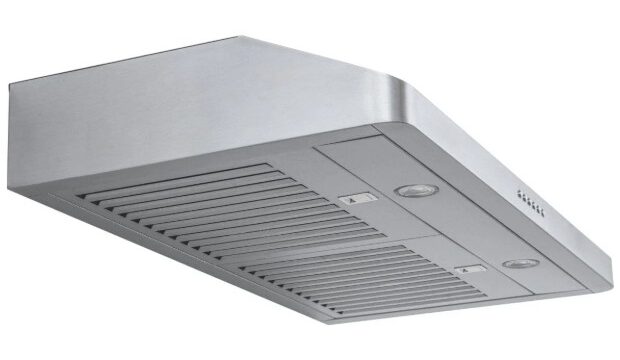
Proper airflow ensures that smoke, heat, and grease are captured immediately and directed away from your living space. Stainless steel under-cabinet range hoods are specifically engineered to sit beneath cabinetry, positioning them close to the cooking surface for optimal air capture.
How Stainless Steel Under-Cabinet Range Hoods Enhance Airflow?
Strategic Placement for Maximum Capture
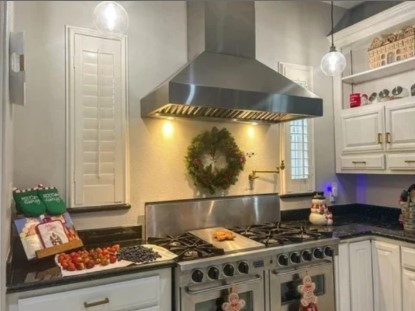
Under-cabinet models are installed directly above the cooktop, which allows them to capture smoke and steam at the source. Because they are positioned close to where contaminants are generated, airflow is more focused and efficient.
Stainless steel under-cabinet range hoods are designed with wide capture areas that match or slightly exceed the width of the stove. This ensures that rising smoke and grease are drawn into the hood before they spread into the surrounding air.
Powerful Fan Systems
Airflow performance largely depends on the fan’s capacity, measured in cubic feet per minute (CFM). High-CFM motors create strong suction, pulling airborne particles through filters and either venting them outdoors or recirculating purified air.
Many stainless steel under-cabinet range hoods feature multiple fan speed settings. This flexibility allows homeowners to increase airflow during high-heat cooking and reduce it during lighter tasks, maintaining efficiency without excessive noise.
Advanced Filtration Systems
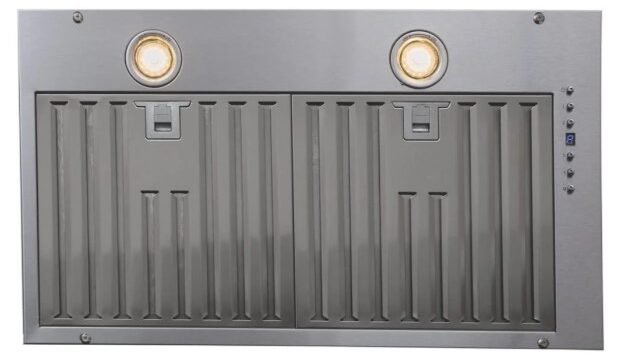
Grease filters are essential components of effective ventilation. Most models include multi-layer stainless steel baffle filters that trap grease while allowing air to flow freely. These filters prevent buildup inside ductwork and help maintain consistent airflow over time.
Charcoal filters, used in ductless systems, further improve air quality by absorbing odors before air is recirculated back into the kitchen.
The Benefits of Stainless Steel Construction
Material choice plays a significant role in airflow performance and durability. Stainless steel offers several advantages:
- Resistant to heat and corrosion
- Easy to clean and maintain
- Durable under frequent use
- Non-porous surface that prevents grease absorption
Because stainless steel does not warp or degrade easily, it maintains structural integrity and optimal airflow efficiency for years. Stainless steel under-cabinet range hoods also resist staining, ensuring that airflow pathways remain unobstructed.
Ducted vs. Ductless Airflow Systems
Understanding ventilation types helps maximize performance.
Ducted Systems
Ducted hoods channel air outside the home through installed ductwork. This method completely removes smoke, moisture, and grease particles, providing the highest level of airflow improvement.
Ductless Systems
Ductless hoods filter air and recirculate it back into the kitchen. While easier to install, they require consistent filter maintenance to maintain strong airflow.
Both options can be effective, but ducted systems generally provide superior air extraction for frequent or heavy cooking.
Conclusion
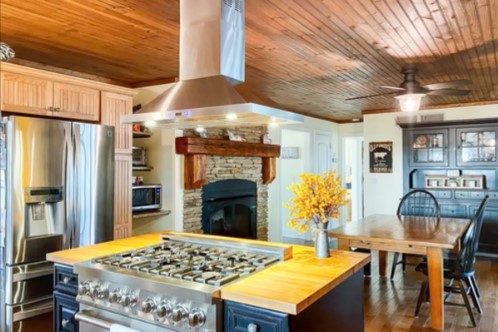
Maintaining clean kitchen air requires a ventilation system that captures contaminants quickly and efficiently. Installing stainless steel under-cabinet range hoods significantly improves airflow by combining strategic placement, powerful fan systems, and durable filtration. Compared to alternatives such as an island hood, under-cabinet models offer focused, space-saving ventilation ideal for many home layouts. With proper installation and routine maintenance, these hoods provide long-lasting airflow performance, protect your kitchen surfaces, and create a healthier cooking environment for years to come.


Most Commented Posts