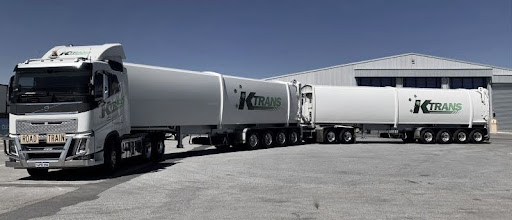
Modern waste management systems are built around efficiency, safety, and the ability to handle large volumes of material with minimal operational cost. In industrial and municipal environments, equipment integration plays a critical role in achieving these goals. One of the most important combinations in this system is the use of industrial compactor technology alongside advanced transport solutions such as transfer systems.
In the context of modern waste logistics, industrial compactor systems are essential because they reduce waste volume at the source, making downstream transport via transfer trailers significantly more efficient and cost-effective.
What Industrial Compactors Do in Waste Systems
An industrial compactor is designed to compress waste materials into a denser form, reducing the space required for storage and transportation. These machines are commonly used in transfer stations, recycling facilities, and large-scale waste processing plants.
According to waste management engineering practices, compactors help reduce hauling frequency by increasing payload density, which directly lowers fuel consumption, transport costs, and landfill trips. They also improve site cleanliness and safety by minimising loose waste accumulation.
In transfer station environments, compactors are often integrated with loading systems such as conveyors, pit feeds, or direct dumping systems to ensure continuous operation without manual intervention.
Role of Transfer Stations in Waste Handling
Transfer stations act as intermediate hubs where waste is collected, processed, and prepared for long-distance transportation. Instead of small collection trucks travelling directly to landfills, waste is first delivered to these stations, where it is compacted and loaded into larger transport vehicles.
Modern systems, like those used in engineered waste infrastructure, can handle multiple feed types, including front-end loaders, conveyor systems, and pit-fed operations. This flexibility allows facilities to manage different waste streams efficiently.
The integration of compactors at these stations ensures that waste volume is reduced before it reaches the transport stage, where waste transfer trailers become essential for long-haul movement.
How Waste Transfer Trailers Improve Logistics
Waste transfer trailers are specially designed transport units that carry compacted waste from transfer stations to landfills or recycling facilities. These trailers are engineered for high payload capacity and durability, often using high-tensile steel construction to withstand heavy compaction forces during loading and transport.
A key advantage of these trailers is their ability to maximise payload while minimising the number of trips required. By transporting denser loads, they significantly reduce fuel usage and operational costs.
Many modern transfer trailer systems are also equipped with hydraulic ejection mechanisms, which allow waste to be safely and efficiently unloaded at the destination site without manual handling.
Integration Between Compacting and Transport Systems
The real efficiency of modern waste infrastructure comes from the integration between compactors and transfer trailers. Stationary compactors compress waste into dense loads, which are then transferred directly into trailers via controlled systems.
Some advanced setups use compaction cycles that form dense “logs” of waste, which are then pushed into trailers for transport. This ensures maximum payload utilisation and reduces spillage during loading and unloading operations.
Systems like these are capable of continuous operation, meaning waste can keep being processed even while trailers are being exchanged, significantly improving throughput in high-volume facilities.
Benefits of Using Integrated Systems
The combination of compactors and transfer trailers provides several operational advantages:
- Reduced transportation frequency due to higher payload density
- Lower fuel and labor costs
- Improved environmental performance through fewer vehicle movements
- Enhanced site safety by reducing loose waste handling
- Better compliance with waste management regulations
Applications Across Industries
Industrial compactor and transfer trailer systems are used in multiple sectors, including:
- Municipal solid waste management
- Construction and demolition waste handling
- Industrial manufacturing waste processing
- Recycling and resource recovery facilities
- Remote and regional waste logistics operations
Conclusion
Efficient waste management depends heavily on the coordination between compaction and transportation systems. By reducing waste volume at the source and optimising long-distance transport, facilities can significantly improve both cost efficiency and environmental performance.
In conclusion, waste transfer trailers play a crucial role in completing the waste handling cycle by enabling the safe and efficient movement of compacted material from processing sites to final disposal or recovery locations, ensuring a streamlined and sustainable waste management system.






Most Commented Posts