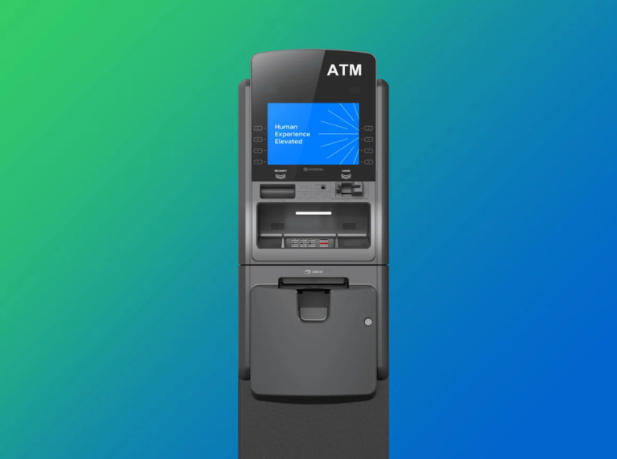
For business owners exploring new revenue streams or looking to improve customer convenience, installing a cash-dispensing unit on-site has become an increasingly popular option. Many entrepreneurs consider the decision to buy ATM equipment as a practical way to generate passive income through surcharge fees while also increasing foot traffic in their stores. Whether you run a convenience store, restaurant, gas station, or entertainment venue, understanding the basics of ATM ownership can help you make an informed investment decision.
Why Businesses Are Investing in ATMs
Cash remains a preferred payment method for many consumers, especially in industries like bars, laundromats, and small retail shops. When customers don’t have cash on hand, they often leave to find the nearest machine, which can result in lost sales. Having a machine available on-site keeps customers within your store and increases the likelihood of additional purchases. This is one of the key reasons business owners choose to buy ATM units rather than rely solely on nearby banks or third-party locations.
Understanding the Costs Involved
Before making a purchase, it’s important to understand the full scope of expenses. The upfront cost of a machine can vary based on features such as cash capacity, connectivity type, and security measures. Beyond the initial purchase, owners should budget for ongoing costs like paper for receipts, network or telephone line fees, cash replenishment, and occasional maintenance. Some machines also require a compliance triangle sticker or ADA-compliant features depending on local regulations. Taking time to calculate these costs will help determine the potential return on investment.
Choosing the Right Type of Machine
There are generally two categories of machines available: through-the-wall units and freestanding models. Through-the-wall machines are built into an exterior wall and are typically used by banks or larger retail establishments due to installation complexity. Freestanding units, on the other hand, are more common for small to mid-sized businesses because they are easier to install, relocate, and maintain. When you decide to buy ATM equipment, evaluating your available space, expected transaction volume, and budget will help narrow down the best option for your location.
Connectivity and Processing Options
Modern machines typically connect through either a phone line or an internet connection (IP-based). IP connectivity tends to offer faster transaction processing and is increasingly common due to widespread internet availability. Business owners should also consider whether they want to manage their own cash loading and processing or work with a third-party processor who handles transaction settlements and reporting. Each option comes with different fee structures and levels of involvement required from the owner.
Security and Compliance Considerations
Security is a critical factor when installing any cash-handling equipment. Machines should include features such as encrypted PIN pads, surveillance camera compatibility, and secure bolting options to prevent theft. Additionally, business owners must remain compliant with regulations set by the Americans with Disabilities Act (ADA) and any state-specific surcharge disclosure laws. Staying informed about these requirements helps avoid potential fines and ensures a smooth operating experience.
Maintenance and Long-Term Management
Owning a machine isn’t a one-time setup — it requires ongoing attention. Regular tasks include replenishing cash, restocking receipt paper, monitoring for technical issues, and ensuring software updates are applied when necessary. Some owners choose to handle these tasks themselves, while others hire a service provider to manage cash loading and maintenance on their behalf. Deciding which approach works best depends on the owner’s available time and comfort level with the equipment.
Conclusion
Making the decision to install a cash dispensing machine can be a valuable addition for many types of businesses, particularly those with steady foot traffic and cash-preferring customers. By understanding the costs, connectivity options, and compliance requirements involved, business owners can make a more informed choice about their investment. For many entrepreneurs, having an ATM for retail environments not only improves customer convenience but also creates an additional stream of income when managed properly.


Most Commented Posts