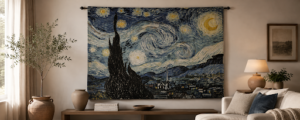
Textiles have played an important role in interior decoration and storytelling for centuries. Long before modern prints and digital artwork, people used woven fabrics to display scenes, symbols, patterns, and narratives. Among the most recognisable examples are medieval tapestries, which combined artistic expression with practical uses in homes and important buildings. A medieval tapestry can provide a fascinating glimpse into historical art, culture, craftsmanship, and everyday life. Today, these traditional designs continue to influence interior décor, offering a way to bring historical themes and intricate imagery into contemporary spaces.
What Were Medieval Tapestries?
Medieval tapestries were large textile artworks created primarily through weaving. Many featured complex scenes involving people, animals, plants, architecture, religious subjects, or stories.
Unlike paintings created directly on walls or canvases, woven tapestries could be moved from one location to another. This portability made them particularly valuable for wealthy households, castles, churches, and other important buildings.
Tapestries could also serve practical purposes. Their thick woven structure helped provide insulation against cold walls and drafts, making them useful as well as decorative.
Storytelling Through Textile Art
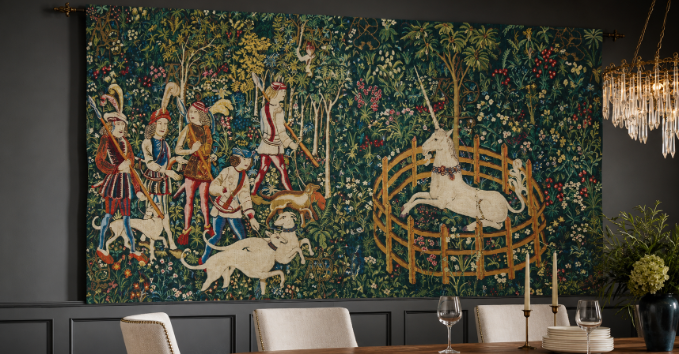
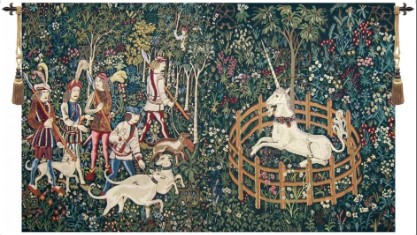
One of the most distinctive characteristics of medieval textile art was its ability to communicate stories visually. Many pieces contained multiple figures and scenes arranged within a larger composition.
Viewers could interpret the imagery through clothing, gestures, animals, landscapes, symbols, and other details. Religious stories, historical events, mythology, hunting scenes, and courtly life were among the subjects represented in different works.
The amount of detail required considerable planning and craftsmanship. Every element had to be translated into a textile composition while maintaining the overall structure of the scene.
Materials and Craftsmanship
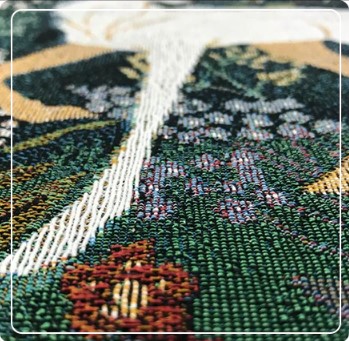
Traditional tapestries were commonly made using materials such as wool and silk, with different fibres contributing to texture, durability, and visual detail.
Creating a medieval tapestry was a labour-intensive process. Skilled artisans worked with carefully prepared designs and used weaving techniques to build the image gradually.
Colour was particularly important. Dyers developed shades from available natural materials, while skilled weavers combined different threads to create depth, shading, and visual contrast.
Because of the time and expertise required, elaborate tapestries could represent significant investments of resources and craftsmanship.
Tapestries and Medieval Interiors
In medieval interiors, large textile pieces could transform the appearance of otherwise plain architectural spaces. Stone walls, especially in castles and large residences, could feel cold and visually stark.
Hanging textiles added colour and pattern while helping make rooms more comfortable. They could also communicate wealth and status because detailed woven artwork required considerable resources.
The placement of tapestries could change depending on the room, occasion, or season. Their ability to be moved made them more flexible than permanent architectural decoration.
Historical Themes in Modern Décor
The influence of medieval art can still be seen in contemporary interiors. Historical scenes, heraldic motifs, mythical creatures, botanical elements, and decorative borders can provide distinctive alternatives to modern minimalist artwork.
A medieval tapestry can work particularly well in interiors inspired by traditional, rustic, Gothic, vintage, or fantasy aesthetics. It can become a focal point above a fireplace, behind a bed, in a study, or across a large feature wall.
The surrounding décor does not necessarily need to be historically themed. A traditional textile can create contrast when paired with simpler contemporary furniture.
Choosing a Medieval-Inspired Design
When selecting medieval-inspired wall art, consider both the imagery and the scale of the room. Highly detailed scenes may benefit from larger walls where viewers can appreciate their visual elements.
Colour is also important. Rich reds, deep greens, earthy browns, muted blues, and gold-inspired tones are often associated with historical textile aesthetics, although modern interpretations can use almost any palette.
The subject should also fit the atmosphere of the space. Nature scenes may create a calmer feeling, while battle scenes, heraldic imagery, or dramatic medieval narratives can create a stronger visual statement.
Conclusion
Historical textile art continues to influence interior decoration because of its storytelling, craftsmanship, and distinctive visual character. For those interested in bringing historical artwork into modern spaces, tapestry custom options can provide greater flexibility in selecting imagery, dimensions, and themes while maintaining the character associated with traditional tapestry design.


Most Commented Posts