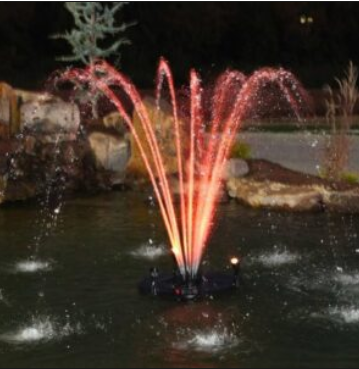
A pond fountain can change both the appearance and function of a water feature by introducing movement, circulation, and aeration. However, selecting the right equipment requires more than choosing a visually appealing spray pattern. Pond size, water depth, pump capacity, electrical requirements, maintenance needs, and intended use can all influence the appropriate setup. Understanding these factors makes it easier to select a floating fountain for pond applications that suits the characteristics of the water body.
Consider Pond Size and Water Conditions
The dimensions of a pond are among the first factors to evaluate. A small landscaped pond may require considerably less pumping capacity than a large farm pond or private lake. Fountain systems are commonly available with different motor sizes and flow rates, allowing equipment to be matched to the scale of the water feature.
Water depth and surface conditions also matter. Floating systems remain on the water surface and are secured with mooring lines, so the installation area needs sufficient space for the fountain and its spray pattern. The surrounding environment should also be considered to prevent spray from reaching nearby structures, walkways, or electrical equipment.
Understand Pump Capacity
Pump capacity is typically expressed using gallons per hour, while motor power may be listed in horsepower. These measurements help indicate how much water a fountain can circulate and how strongly it can project water into the air.
For example, floating pond fountain systems can be offered in configurations ranging from approximately 4,000 GPH to 6,600 GPH, with different horsepower options.
A larger pump is not automatically the correct choice. Selecting equipment based on pond dimensions and the desired visual effect is more useful than simply choosing the highest available capacity. The intended spray height and pattern should also be considered.
Aeration and Water Circulation
Beyond appearance, fountains can contribute to water movement and aeration. When water is drawn upward and exposed to the surrounding air, oxygen exchange can occur at the surface. Circulation can also help distribute oxygen and reduce areas of stagnant water.
This can be particularly relevant in ponds containing aquatic life. However, a fountain should be considered one component of overall pond management rather than a complete solution for every water-quality issue.
Regular monitoring of water conditions, organic matter, algae growth, and aquatic health remains important regardless of whether a fountain is installed.
Selecting a Suitable Spray Pattern
Spray design affects both aesthetics and practical performance. Some people prefer simple, relatively low-profile patterns, while others may want taller or more dramatic displays.
Interchangeable nozzles can provide flexibility by allowing different spray configurations. The correct pattern depends on the pond’s dimensions, surrounding landscape, desired appearance, and potential wind exposure.
Wind deserves particular attention because water droplets can be carried beyond the intended area. A spray pattern that works well in calm conditions may behave differently during stronger weather.
Electrical and Installation Requirements
Electrical planning should be considered before installation. Users should determine the required voltage, cord length, outlet location, and appropriate electrical protection for the environment.
Floating systems generally require secure positioning with mooring lines so that wind and water movement do not cause unwanted displacement. The installation area should also allow convenient access for maintenance and inspection.
Some models are designed as complete systems that include components such as floating bases, mooring ropes, debris protection, pumps, and interchangeable nozzles.
Maintenance Requirements
Even a relatively low-maintenance fountain requires periodic attention. Debris can collect around intake areas or protective screens, while nozzles may become obstructed by leaves, sediment, or other material.
Routine inspections can include checking the pump, cleaning debris protection components, examining electrical connections, and confirming that mooring lines remain secure. Seasonal considerations are also important in regions where freezing temperatures can affect floating equipment.
Keeping the fountain clean can help maintain consistent water flow and reduce unnecessary strain on the pump.
Conclusion
Choosing a pond fountain requires consideration of pump capacity, pond dimensions, spray design, installation requirements, aeration, maintenance, and environmental conditions. When planning nighttime pond displays, water fountain lights can add illumination and visual depth while making the fountain more noticeable after dark. A careful assessment of these factors can help ensure that the fountain performs effectively while fitting naturally into the surrounding water feature.







Most Commented Posts