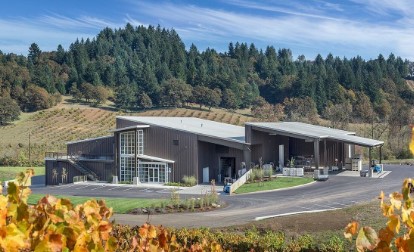
Commercial metal buildings are designed for durability, but their performance can change as the structure is exposed to weather, moisture, heavy use, and accidental impacts. Roof panels can develop leaks, fasteners can loosen, coatings can deteriorate, and steel components can develop corrosion over time. Addressing these problems early can help prevent localized damage from developing into a larger building issue. Commercial metal building repair therefore involves more than fixing visible damage. It begins with identifying what has deteriorated, determining whether the problem affects structural or nonstructural components, and selecting an appropriate repair method.
What Problems Can Affect a Commercial Metal Building?
Several parts of a metal building may require attention during its service life. Roof systems are particularly exposed to rain, temperature changes, debris, and mechanical equipment. Damaged panels, deteriorated sealants, loose fasteners, and drainage problems can contribute to water infiltration.
Wall panels can also sustain damage from weather or vehicle impacts. Meanwhile, structural members, connections, and base plates may experience corrosion or other forms of deterioration. Corrosion is especially important because advanced section loss can affect the capacity of steel components. An assessment may determine whether affected members need protective treatment, strengthening, or replacement.
Why Early Inspection Matters
Small defects are not always isolated problems. A minor roof leak, for example, can allow moisture to reach insulation or supporting components. Similarly, deteriorated protective coatings can expose steel to conditions that encourage corrosion.
Regular inspections give property owners an opportunity to identify these conditions before determining the appropriate corrective work. Maintenance programs commonly include checks of roofs, walls, fasteners, drainage systems, and structural components.
The inspection should also consider the building’s operating environment. Facilities exposed to persistent moisture, industrial pollutants, coastal conditions, or heavy equipment may experience different maintenance requirements than buildings in less demanding environments.
How Is Metal Building Damage Evaluated?
The repair process should begin with an assessment rather than immediately replacing visible components. An inspection can establish the location, extent, and likely cause of the damage.
For structural concerns, qualified professionals may need to evaluate columns, beams, rafters, purlins, connections, and other load-carrying components. Nonstructural issues can include roof and wall panels, trim, gutters, flashing, and sealants.
The findings help determine whether a component can be repaired, reinforced, or needs replacement. Structural repair guidance commonly considers the extent of deterioration before selecting between strengthening, protective treatment, or replacing an affected section.
Common Repair Approaches
A commercial metal building repair project can involve several different techniques depending on the problem. Damaged roof or wall panels may be removed and replaced, while deteriorated fasteners or seals may require targeted replacement.
Corroded steel may require surface preparation and a renewed protective coating when the underlying material remains suitable. More extensive deterioration can require reinforcement or replacement of structural members.
Repairs should also address the cause of the problem where possible. For example, repairing a roof leak without correcting the failed flashing or drainage condition may allow moisture intrusion to return.
Minimizing Disruption During Repairs
Commercial buildings often remain operational while maintenance work is performed, so repair planning needs to account for employees, equipment, inventory, tenants, and business activities. The sequence of work can influence how much of the facility needs to be restricted at a given time.
For larger projects, repairs may be divided into manageable sections. This approach can help coordinate access, material handling, temporary protection, and other site requirements while keeping unaffected portions of the building operational.
Safety planning is also essential when work involves elevated areas, structural components, or active commercial facilities.
When Should Repairs Be Considered?
Visible rust, recurring leaks, damaged panels, loose fasteners, unusual deflection, or deterioration around structural connections should not be ignored. The urgency depends on the location and severity of the condition.
A professional assessment can help distinguish routine maintenance from problems requiring more immediate structural attention. Keeping inspection findings and repair records can also make future maintenance planning easier and provide a history of changes to the building.
Conclusion
Maintaining an existing metal building requires attention to both visible components and the underlying structure. When planning future commercial steel building construction, understanding how inspection, maintenance, and repair affect long-term performance can also help property owners make more informed decisions about their facilities.




Most Commented Posts