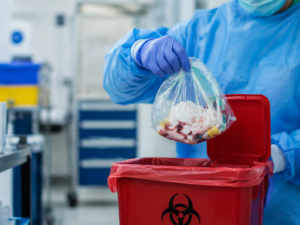
Healthcare systems generate a wide range of waste materials every day, from general non-hazardous items like packaging and paper to highly hazardous materials such as infectious waste and used medical instruments. Proper healthcare waste management is essential to protect public health, safeguard workers, and reduce environmental risks. Without structured systems for handling, segregating, and disposing of medical waste, healthcare facilities can become sources of infection, pollution, and injury.
Understanding how healthcare waste is classified and managed is especially important when dealing with high-risk material, which includes needles, syringes, and other objects capable of causing injury or infection.
What Is Healthcare Waste?
Healthcare waste refers to all waste materials generated during medical activities such as diagnosis, treatment, immunization, and research. This includes waste from hospitals, clinics, laboratories, and other healthcare settings.
According to global health authorities, approximately 85% of healthcare waste is non-hazardous, while the remaining 15% is considered hazardous due to its infectious, chemical, or radioactive nature.
This hazardous portion requires special handling to prevent harm to healthcare workers, patients, waste handlers, and the general public.
Types of Healthcare Waste
Healthcare waste is typically divided into several categories based on risk and composition.
Non-Hazardous Waste
This includes general waste such as paper, packaging materials, and food waste. It is similar to domestic waste and does not require specialized treatment.
Infectious Waste
This includes materials contaminated with blood, bodily fluids, or pathogens that may spread disease.
Chemical and Pharmaceutical Waste
This category includes expired medicines, laboratory reagents, and disinfectants.
Radioactive Waste
Generated from certain diagnostic and treatment procedures involving radioactive materials.
Why Healthcare Waste Management Is Important
Effective healthcare waste management is essential for several reasons:
Protecting Human Health
Improper disposal of medical waste can expose healthcare workers, patients, and waste handlers to infectious diseases and toxic substances.
Environmental Protection
Uncontrolled burning or dumping of medical waste can release harmful pollutants into air, soil, and water systems, contributing to long-term environmental damage.
Preventing Injury and Infection
Sharp objects such as needles and blades pose a direct risk of injury and infection transmission, making proper disposal systems critical.
Regulatory Compliance
Healthcare facilities must follow strict national and international guidelines for waste segregation, treatment, and disposal.
Key Steps in Healthcare Waste Management
A structured healthcare waste management system typically includes the following stages:
Waste Segregation
Waste must be separated at the point of generation into clearly labeled categories. This is one of the most important steps in reducing risk.
Safe Collection and Storage
Waste should be collected in appropriate containers, which must be stored in puncture-resistant sharps containers.
Transportation
Specialized systems are used to transport medical waste safely to treatment or disposal facilities.
Treatment and Disposal
Common methods include autoclaving, incineration, chemical treatment, and controlled landfill disposal, depending on the type of waste.
Risks Associated With Poor Waste Management
Poor handling of healthcare waste can lead to serious consequences:
- Needle-stick injuries
- Spread of infectious diseases
- Exposure to toxic chemicals
- Environmental contamination
- Harm to waste workers and the public
Sharps-related injuries are particularly concerning because they can transmit blood-borne infections such as hepatitis B, hepatitis C, and HIV.
Best Practices for Healthcare Facilities
Healthcare providers should adopt the following best practices:
- Train staff on waste segregation procedures
- Use color-coded waste bins
- Implement strict disposal protocols for sharps
- Regularly audit waste management systems
- Follow government and environmental guidelines
These measures ensure safety, compliance, and environmental responsibility.
Conclusion
Healthcare waste management is a vital component of modern healthcare systems, ensuring that medical waste is handled safely and responsibly from generation to disposal. Proper systems help protect healthcare workers, patients, and the environment from potential hazards associated with medical waste exposure. Special attention must be given to high-risk materials such as sharps medical waste, which require strict handling procedures to prevent injury and infection. By implementing structured waste management practices, healthcare facilities can significantly reduce risks and contribute to a safer and more sustainable healthcare environment.





Most Commented Posts